Can Probiotics Support Gum Disease Treatment?
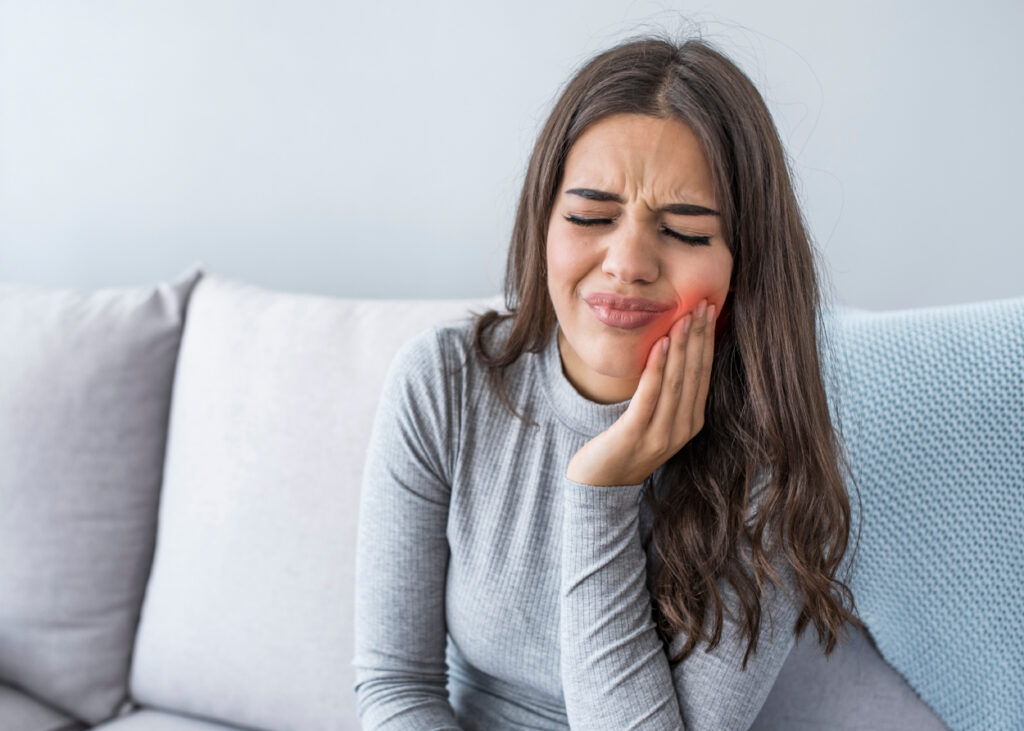
Gum disease rarely starts with drama. Most people notice a little bleeding when they brush, a hint of tenderness near the gumline, or breath that never quite feels fresh. It is easy to dismiss those changes, especially when they come and go. Yet in practice, those mild early signs often sit on top of a much bigger biological story, one driven by bacterial imbalance, inflammation, and the body’s own immune response.
That is why probiotics have attracted so much attention in dentistry. If gum disease is linked to an unhealthy oral microbiome, could beneficial bacteria help tip the balance back in the right direction? It is a sensible question, and one patients ask more often now than they did even a few years ago.
The short answer is yes, probiotics may support gum disease treatment in certain cases, but they are not a replacement for professional care. Their role is best understood as supportive, not curative. They can help improve the environment in the mouth, reduce some inflammatory markers, and in some patients modestly improve clinical outcomes when used alongside standard treatment. They cannot remove hardened tartar below the gums, reverse advanced attachment loss on their own, or compensate for inconsistent home care.
That distinction matters. Much of the confusion around probiotics comes from treating them either as miracle tools or as useless health store hype. The reality sits somewhere in the middle, which is usually where the most useful clinical advice lives.
What gum disease actually is
Gum disease, broadly speaking, begins as gingivitis and can progress to periodontitis. Gingivitis is inflammation of the gums without loss of the bone and connective tissue that support the teeth. Periodontitis involves deeper damage, including periodontal pocket formation, gum recession, and destruction of bone over time.
The disease process is not caused by a single bad germ acting alone. It is driven by a shift in the oral biofilm, the sticky bacterial community that forms on teeth and around the gumline. When that biofilm becomes more pathogenic, the immune system reacts. In susceptible people, that response becomes excessive or chronic, and the surrounding tissues suffer.
This helps explain why two people with similar brushing habits can have very different outcomes. Smoking, diabetes, stress, dry mouth, genetics, certain medications, hormonal changes, and age can all affect the course of disease. So can restorative issues such as overhanging fillings, crowding, or poorly contoured dental work that makes plaque control harder.
Standard gum disease treatment addresses the problem at its root. For gingivitis, that usually means improving daily plaque control and receiving a professional cleaning. For periodontitis, treatment often includes scaling and root planing, sometimes called deep cleaning, along with maintenance visits and close monitoring. Some patients also need localized antimicrobials, occlusal adjustment, management of contributing medical conditions, or periodontal surgery.
Against that backdrop, probiotics are best viewed as one possible adjunct in a much larger treatment plan.
Why probiotics entered the conversation
The oral cavity is not sterile, nor should it be. A healthy mouth contains a wide variety of microorganisms living in rough balance. Trouble begins when the balance shifts toward species associated with inflammation and tissue destruction. This concept, often called dysbiosis, is central to modern thinking about periodontal disease.
Probiotics are live microorganisms that, when delivered in adequate amounts, may confer a health benefit. In the digestive world, that idea is familiar. In oral health, the logic is similar but the terrain is different. A probiotic intended for gum support needs to survive in the mouth long enough to matter, interact with the resident biofilm, and ideally influence inflammatory pathways as well.
Researchers have explored several oral probiotic strains, especially species from the Lactobacillus and Streptococcus families. Some have been studied in lozenges, tablets, chewing gums, powders, and mouth rinses. The most promising findings suggest that certain strains may help reduce plaque accumulation, gum bleeding, and levels of harmful bacteria, particularly when used after professional cleaning or periodontal therapy.
That sounds encouraging, but strain specificity matters enormously. “Probiotics” is a broad category, not a single substance. One product may have reasonable evidence behind it, while another with different strains and lower viability may do very little.
How probiotics might help the gums
There are several plausible mechanisms, and they probably work together rather than separately.
First, beneficial bacteria may compete with disease associated species for space and nutrients. Oral surfaces are crowded real estate. If a favorable strain can occupy attachment sites and interfere with the growth of more harmful microbes, the biofilm may become less aggressive over time.
Second, some probiotic strains produce substances that inhibit pathogens. These can include acids, bacteriocins, and other compounds that make the environment less hospitable for bacteria linked with gum inflammation.
Third, probiotics may affect the host response. Periodontal destruction is not just a matter of bacterial presence. It is also about how the immune system reacts. Some studies suggest probiotics may help modulate inflammatory mediators, which could translate into less bleeding, reduced swelling, and a calmer periodontal environment.
Fourth, they may help with oral malodor. Bad breath often has multiple causes, but periodontal inflammation and bacterial metabolism are common contributors. If probiotics reduce the burden of odor producing bacteria, some patients notice fresher breath even before they notice visible gum changes.
This does not mean the mouth can simply be reseeded like a garden bed and fixed overnight. Oral biofilms are resilient. Existing habits, diet, saliva flow, smoking, and periodontal pocket depth all influence what happens next.
What the evidence actually suggests
The evidence is promising, but it is not uniform. That is the most honest summary.
Some clinical studies have shown that adding specific probiotics to conventional periodontal therapy can improve bleeding on probing, plaque scores, gingival inflammation, and, in some cases, pocket depth reduction. Benefits tend to be modest rather than dramatic. They are usually more noticeable in early disease, maintenance care, or as an adjunct after professional debridement than in advanced untreated periodontitis.
One practical point that often gets lost is timing. Probiotics tend to perform better after the bacterial burden has been physically reduced. If a patient still has heavy plaque, tenacious calculus, and deep inflamed pockets, a probiotic lozenge is trying to work in a hostile environment. It is like ventilating a room while the fire is still burning in the corner. Helpful, perhaps, but not enough.
There is also variability in study design. Different trials use different strains, doses, delivery methods, and durations. Some last only a few weeks. Others look at maintenance periods after active treatment. That makes broad comparisons difficult, and it is one reason dental professionals remain cautious in their claims.
Still, the emerging pattern is not random. For selected patients, especially those with gingivitis, mild to moderate periodontitis under treatment, or recurrent inflammation despite decent oral hygiene, probiotics may be a useful addition to Gum Disease Treatment. The key word is addition.
Where probiotics fit in a real treatment plan
In the clinic, the most successful cases usually involve layering interventions rather than relying on any single one. Probiotics can fit into that layered approach well when expectations are clear.
A common scenario is the patient who has had scaling and root planing, is brushing reasonably well, and has improved, but still shows some bleeding at maintenance visits. Another is the orthodontic patient whose appliances make hygiene harder, leading to puffy gums even with effort. A third is the person with dry mouth after medication changes, where the oral ecology becomes more unstable. In these situations, a probiotic product chosen carefully may support the broader plan.
Patients sometimes expect to feel immediate changes. Some do report less bleeding within a few weeks, and fresher breath can improve sooner. But structural changes, such as reduced pocket depth, take time and depend on a great deal more than probiotic use. Tissue healing is slow, and periodontitis is a chronic condition that requires maintenance.
An experienced periodontist or general dentist will also look at the basics before recommending adjuncts. Are the interdental cleaning techniques correct? Is the patient using a brush with enough finesse near the gumline? Is there uncontrolled diabetes? Are there areas of residual calculus or defective margins trapping plaque? Is smoking undermining healing? These questions often matter more than the product itself.
The forms probiotics come in, and why delivery matters
Delivery method is not a trivial detail. For gum support, the organism must spend time in the mouth. Swallowing a standard capsule aimed at the gut may not have much direct periodontal effect, though broader immune or systemic effects are still discussed in research.
Lozenges and slowly dissolving tablets are often preferred in oral health studies because they maximize contact with the teeth, tongue, saliva, and gingival tissues. Powders and certain gums can also be useful. Mouth rinses may offer brief exposure, though retention can be more limited. Toothpastes containing probiotics exist, but they are less established in the literature than lozenges or tablets.
Patients frequently ask whether probiotic foods are enough. Yogurt, kefir, and fermented foods can be part of a healthy diet, but their benefits for gum disease are less predictable. The strains may not be those studied for oral health, and contact time with oral tissues is brief unless the product is designed for that purpose. Food based probiotics are not a substitute for targeted oral formulations when the goal is periodontal support.
Who may benefit most
Not every patient needs an oral probiotic, and not every patient will respond in the same way. In day to day practice, the most plausible candidates include:
- People with recurrent gingivitis despite fair home care
- Patients undergoing or recently completing non surgical periodontal therapy
- Individuals in periodontal maintenance who still show localized bleeding
- Patients with dry mouth or other factors that disrupt the oral microbiome
- Those who cannot tolerate certain antiseptic rinses for extended periods
Even in these groups, benefit is not guaranteed. The best results tend to appear when probiotics are used consistently, paired with mechanical plaque removal, and selected with some attention to strain and delivery method.
Limits, trade-offs, and the problem with overpromising
Probiotics sound gentle, and usually they are. That can tempt marketers into making them sound universally effective. Dentistry has seen this pattern before with mouthwashes, oils, charcoal products, and whitening hacks. A product gets described as “natural,” people assume it is automatically powerful https://blogfreely.net/kanyontjan/modern-gum-disease-treatment-methods-explained and safe, and nuance gets lost.
The first limitation is that probiotics cannot remove calculus. Once plaque hardens into tartar, only professional instruments can take it off effectively, particularly below the gumline. No lozenge can substitute for scaling.
The second limitation is colonization. Many probiotic strains do not take up permanent residence in the mouth. Their effects may depend on continued use. Stop using the product, and the oral ecosystem may drift back toward its previous state.
The third is product quality. Storage conditions, viability, expiration dates, and actual strain content matter. Supplements are not all created equal. Two packages on a shelf can look similar while offering very different practical value.
The fourth is disease severity. Advanced periodontitis with deep pockets, tooth mobility, furcation involvement, or extensive bone loss needs conventional periodontal management, often with specialist input. Delaying proper care while experimenting with over the counter products can make the prognosis worse.
The fifth is cost and compliance. A probiotic lozenge taken once or twice daily for weeks or months may not be burdensome, but it is still one more step in a routine. Patients who already struggle with brushing and interdental cleaning are often better served by simplifying and strengthening the basics before adding another layer.
Safety considerations
For most healthy people, oral probiotics are considered low risk. Mild digestive upset can occur, though it is uncommon with oral formulations used as directed. Taste and texture can also affect adherence, which is less glamorous than safety data but often more important in real life.
Caution is still appropriate for people who are severely immunocompromised, medically fragile, or dealing with complex health conditions. Theoretical risks are low, but it is reasonable for these patients to review any supplement with their physician and dentist. The same applies to those recovering from major surgery or receiving intensive cancer treatment.
There is also the issue of sugar content. Some lozenges and chewables are sweetened to improve palatability. For a patient at high risk of cavities, that matters. A product intended to support gum health should not quietly increase caries risk.
What patients can do if they want to try probiotics
The best approach is deliberate rather than impulsive. Choose the product the way you would choose any oral health intervention, based on fit, evidence, and practicality.
A sensible approach usually looks like this:
- Get an exam so the stage of gum disease is clear
- Complete any recommended cleaning or periodontal treatment first
- Ask your dentist which oral probiotic strains or products they trust
- Use it consistently for the suggested period, often several weeks to a few months
- Reassess with bleeding, plaque control, and periodontal measurements, not guesswork
That final point is critical. If there is no measurable improvement, it may not be the right product or the right tool for your situation. Periodontal care works best when changes are tracked clinically rather than by vague impressions alone.
The role of brushing, flossing, and professional care never goes away
It is tempting to look for elegant biological fixes because brushing and interdental cleaning are repetitive and, frankly, unexciting. But the basics remain the backbone of periodontal stability. A patient who brushes thoroughly twice a day, cleans between the teeth effectively, attends maintenance visits, and manages systemic risk factors will almost always outperform someone relying on add on products without those foundations.
This is especially true for periodontitis. The bacterial communities associated with periodontal pockets are complex and protected within biofilm architecture. Mechanical disruption remains central. Probiotics may make the environment less inflammatory, but they do not replace the daily work of physically controlling plaque.
There is also a lesson here about chronic disease more broadly. The interventions that win are often not dramatic. They are the ones patients can repeat consistently. A perfectly chosen probiotic that is forgotten after five days offers less than a simple routine followed for years.
A realistic view of probiotics in Gum Disease Treatment
The most useful way to think about probiotics is as microbiome support, not microbial magic. They may help nudge the oral environment toward health, especially after professional cleaning has lowered the bacterial load and when home care is already moving in the right direction. They may reduce bleeding, improve comfort, and support stability in some patients. Those are meaningful outcomes.
They are not a shortcut around periodontal diagnosis, scaling, root planing, maintenance, or surgery when surgery is indicated. They are not a rescue for neglected disease. They are not all equivalent, and they do not work equally well for every mouth.
Still, dismissing them outright would miss an important shift in oral health thinking. Dentistry has moved beyond the old idea that every microbe is an enemy to be wiped out. The goal is balance. A healthy mouth is not bacteria free. It is biologically stable, with tissues that are not under constant inflammatory pressure. Probiotics fit that modern view more naturally than many people realize.
For the right patient, used in the right form, at the right stage of care, probiotics can support gum health and complement standard Gum Disease Treatment. That is not hype. It is simply a measured, evidence aware reading of where the field stands.
Avra Dental
Address: 1708 S Victoria Ave B, Ventura, CA 93003
Phone number: +18057653206
FAQ About Gum Disease Treatment
Can I make my gums healthy again?
Yes, you can make early-stage gum disease completely healthy again, but advanced damage requires professional care to manage.
Can you cure gum disease?
You can cure early-stage gum disease, but advanced gum disease cannot be fully cured.
Can I live a normal life with gum disease?
Yes, you can live a normal life with gum disease, but it requires active, lifelong management to control the condition and prevent serious complications